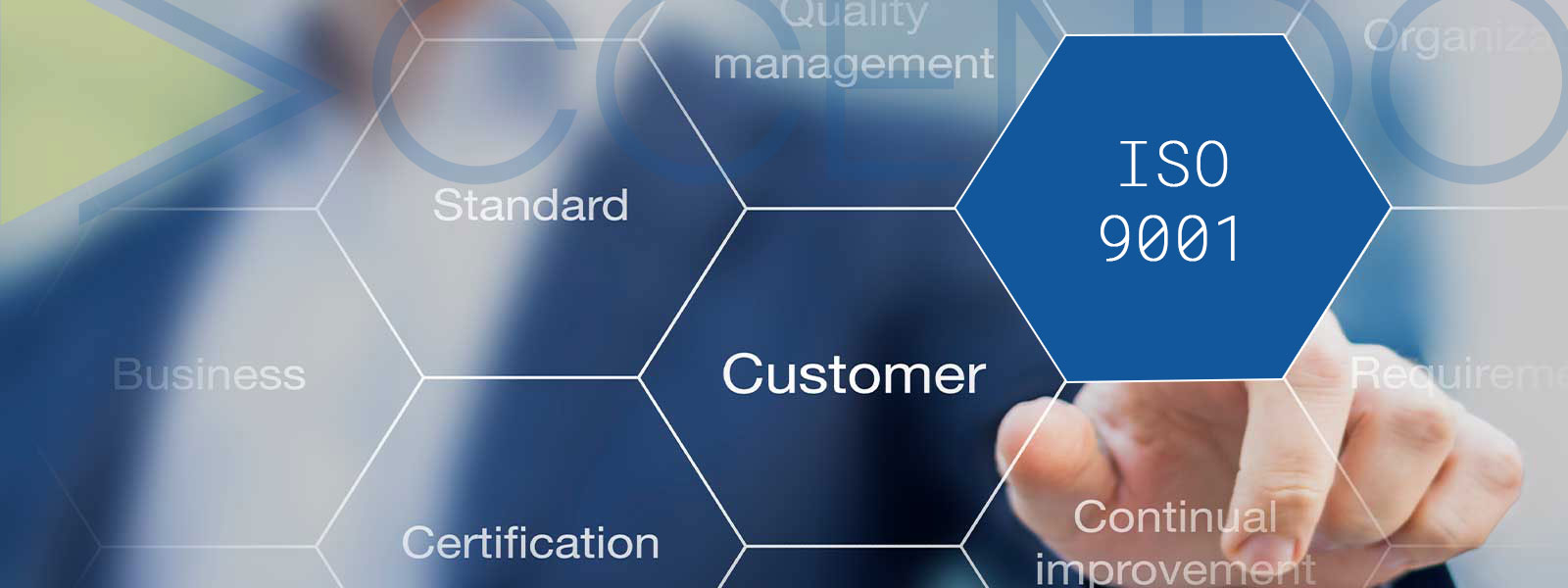
ISO 9001 lays down the vital criteria for establishing an impeccable quality management system, which is the only standard in its family that can be certified (though it’s not obligatory). With over one million companies and organisations certified in more than 170 countries, ISO 9001 is open to organisations of any size or type, irrespective of their industry.
ISO 9001’s framework is based on a set of quality management principles that include a strong emphasis on customer satisfaction, top management’s motivation and participation, a process-oriented approach, and continual improvement. These principles are elaborated further in ISO’s quality management principles. Using ISO 9001 ensures consistent and top-notch products and services, which translates to numerous business benefits.
By adhering to ISO 9001’s standards, businesses can demonstrate their commitment to quality management, which is an essential factor in enhancing their brand reputation and gaining customer trust. Additionally, businesses that comply with ISO 9001’s guidelines are more likely to win tenders and contracts, which leads to increased revenue and growth opportunities.
Related reading
Practical reading on ISO 9001 for construction and contracting SMEs:
- ISO 9001 When a Big Project Comes to Town
- Achieving ISO 9001 Certification with ACCENDO Consultants: A Practical Look at the Journey
- How Much Does ISO 9001 and ISO 14001 Certification Really Cost?
- ISO 9001. Your Clients Pay for Delivery. Not Your ISO Admin
- Stop Annoying Your Happy Clients! Why Customer Satisfaction Questionnaires Backfire!
- Why Your Supplier List Is Lying to You!
- Thirty Minutes Is Enough to Work Out If You Even Need ISO
- Accendo Weekly Summary
Free tools: the ISO System Snapshot to sense-check your system, and the ISO Myth Check to test the stories that waste weeks.